Toolbox — For Training and Youth Work
All new tools in your inbox: Be the first to know about new tools for learning with our e-mail notifications.
Manual
Polarisation.eu – Toolbox for Dialogue, Critical Thinking and Social Cohesion
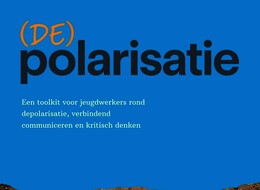
An online toolbox featuring 100+ activities, MOOCs, podcasts and educational resources that support youth workers and educators in addressing polarisation, promoting critical thinking and building social cohesion.
Aims of the tool
The aim of Polarisation.eu is to support youth workers, educators, trainers and youth organisations in addressing polarisation in a constructive and educational way.
The platform provides practical tools, learning resources and interactive methods that help young people develop critical thinking skills, engage in respectful dialogue and better understand different perspectives. Through workshops, activities, MOOCs, podcasts and educational materials, the tool encourages participants to reflect on stereotypes, prejudice, misinformation, identity and social divisions.
The overall goal is not to eliminate disagreement, but to strengthen young people's ability to navigate differences, communicate across divides and contribute to more inclusive, democratic and cohesive communities.
Description of the tool
Polarisation.eu is an educational platform developed for youth workers, educators, trainers and youth organisations working with young people in increasingly diverse and polarised societies. The platform combines practical methods, online learning, podcasts, articles and educational resources to help professionals address polarisation, strengthen social cohesion and foster meaningful dialogue among young people.
The platform is structured around three core themes:
• Understanding polarisation and “us-versus-them” dynamics
• Critical thinking and media literacy
• Constructive and connecting communication
Users can access a large collection of non-formal education activities, reflection exercises, discussion methods and group-based learning tools that can be used in youth exchanges, training courses, local youth work, schools and community projects. In addition, the platform includes MOOCs, expert interviews, podcasts and background materials that help facilitators deepen their understanding of the topic.
Learning outcomes:
After using the platform, participants will be able to:
• Recognise the mechanisms and dynamics of polarisation in society and within groups.
• Analyse how stereotypes, prejudice and misinformation contribute to social divisions.
• Apply critical thinking skills when evaluating information, media content and public debates.
• Communicate more effectively and respectfully with people holding different opinions or backgrounds.
• Facilitate constructive dialogue and create safer spaces for discussion.
• Reflect on their own assumptions, biases and identities.
• Develop strategies to reduce tensions and strengthen social cohesion within their communities.
• Use practical educational methods to address polarisation in youth work and educational settings.
The platform is particularly suitable for youth workers, teachers, trainers, volunteers, youth leaders and organisations involved in citizenship education, inclusion, participation, diversity and democratic engagement.
Available downloads:
Disclaimer
SALTO cannot be held responsible for the inappropriate use of these training tools. Always adapt training tools to your aims, context, target group and to your own skills! These tools have been used in a variety of formats and situations. Please notify SALTO should you know about the origin of or copyright on this tool.
Tool overview
http://toolbox.salto-youth.net/5774
This tool is for
Youth workers, youth leaders, trainers, educators, facilitators and youth organisations working with young people aged 14–30, particularly in the fields of inclusion, participation, intercultural dialogue, citizenship education, critical thinking and prevention of polarisation.
and addresses
Social Inclusion, Anti-Racism, Peer education, Evaluation, Youth Democracy projects
Materials needed:
Printed worksheets, pens, flipcharts, sticky notes, internet access, and occasionally a projector, speakers or other materials specified in individual activities.
Behind the tool
The tool was created by
Spring
The tool was published to the Toolbox by
Yunus Denizli (on 17 June 2026)
and last modified
14 June 2026
Comments
No comments have been posted yet.
If you want to comment on this tool, you need to be signed in with your MySALTO account. Sign in now