Toolbox — For Training and Youth Work
All new tools in your inbox: Be the first to know about new tools for learning with our e-mail notifications.
Manual
HOW NOT TO BE BURN OUT – Practical Tools for Wellbeing and Burnout Prevention
A practical e-book for youth workers, trainers and educators offering creative, art-based, reflective and wellbeing tools to prevent burnout, support emotional balance and strengthen sustainable professional practice.
Aims of the tool
The tool aims to provide youth workers, trainers and educators with practical and adaptable methods for burnout prevention, emotional wellbeing and self-awareness. It supports the responsible use of creative, art-based, reflective and grounding practices in youth work and educational settings.
Description of the tool
HOW NOT TO BE BURN OUT is a practical e-book developed as a result of the Erasmus+ No Burn Out Lab professional development activity in Madeira. It brings together creative and experiential methods tested during the training with youth workers, educators, trainers, psychologists, artists and cultural professionals from different European countries.
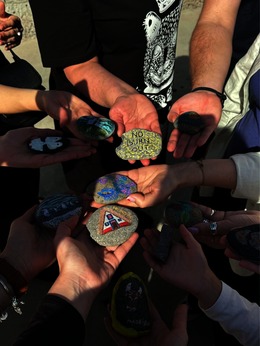
The resource includes art-based and craft practices, creative grounding, body awareness, movement and breathing exercises, mindfulness, reflective activities, nature-based practices and methods for individual and group work. Activities use accessible materials and can be adapted to different youth work, educational and community contexts.
Rather than approaching burnout only theoretically, the tool encourages learning through experience. It helps professionals recognise signs of emotional overload, reflect on their own working patterns and resources, explore ways of slowing down and restoring balance, and consider how creative methods can support wellbeing in their work with others.
Learning outcomes include:
increased awareness of burnout, stress and emotional overload;
improved self-awareness and ability to recognise personal needs and resources;
practical experience with creative and reflective wellbeing methods;
improved ability to facilitate art-based, grounding and reflection activities;
greater understanding of the relationship between creativity, body awareness, nature and emotional wellbeing;
increased capacity to adapt the methods to different groups and learning environments;
greater awareness of professional boundaries and the importance of using wellbeing practices responsibly.
The e-book is intended as an open, practical resource: users are encouraged to select, test and adapt the activities according to the needs of their groups rather than follow them as a fixed programme.
Available downloads:
Disclaimer
SALTO cannot be held responsible for the inappropriate use of these training tools. Always adapt training tools to your aims, context, target group and to your own skills! These tools have been used in a variety of formats and situations. Please notify SALTO should you know about the origin of or copyright on this tool.
Tool overview
http://toolbox.salto-youth.net/5971
This tool is for
Youth workers, trainers, educators, psychologists, artists and cultural professionals working with young people, particularly those interested in mental health, wellbeing, burnout prevention and creative non-formal education methods.
and addresses
Social Inclusion
It is recommended for use in:
Training and Networking
Materials needed:
Materials vary depending on the activity. Most methods use simple and accessible materials such as paper, pens, markers, clay, textiles, magazines, natural materials and basic art supplies. Some activities require no materials at all.
Duration:
Flexible: individual activities take approximately 15–90 minutes. The methods can be used separately, combined into workshops of 2–3 hours, or integrated into longer training programmes depending on the group and learning objectives.
Behind the tool
The tool was created by
ARTE.M – Associação Artística e Cultural da Madeira / No Burn Out Lab project team
in the context of
Created within the Erasmus+ No Burn Out Lab professional development activity for youth workers, implemented in Madeira, Portugal.
The tool has been experimented in
Erasmus+ Training Course / Professional Development Activity for Youth Workers
The tool was published to the Toolbox by
Svetlana Yurzditskaya-Azernikova (on 2 September 2026)
and last modified
28 August 2026
Comments
No comments have been posted yet.
If you want to comment on this tool, you need to be signed in with your MySALTO account. Sign in now