Artificial Intelligence and critical thinking in European Solidarity Corps
Sign up here to join the webinar!
Critical thinking is an essential dimension of digital transformation in European Solidarity Corps (ESC) volunteering, particularly in the context of Artificial Intelligence (AI). The ability to think critically is crucial for navigating life in general, digital environments in particular, and AI tools even more so. This challenge applies to volunteers engaged in ESC projects, who need support to make informed and responsible choices, but also to organizations to understand how to use these tools strategically and responsibly. Accordingly, it is vital to reflect not only on the risks of AI, such as misinformation or biases, but also the ways in which it can enhance learning, problem-solving, and project outcomes.
This webinar aims to help organizations navigate and balance these opportunities and risks, fostering critical thinking and informed decision-making among both volunteers and ESC organizations.
We are very pleased that Mr. Juha Teubl-Kiviniemi representing SALTO Digital will open the meeting.
Juha Teubl-Kiviniemi is a senior adviser at SALTO Digital resource centre, situated in the Finnish National Agency for Education. Originally a youth worker by trade, he has 23 years of experience working in the intersections of Digital Transformation and youth work. Juha is in his happy place whenever policy and practice need bridging.
Guestspeakers:
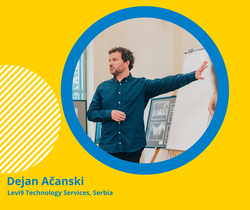
Dejan Ačanski graduated in computer science but during his studies he discovered youth work as a powerful way to engage in society and improve the lives of the people around him. He spent the better part of the next ten years engaged in various youth and voluntary exchange programs. He went from participant to project manager to working as a trainer. As a member of the SALTO SEE Trainers' Pool and other organizations he had designed and led training courses in the areas of intercultural learning and organizing volunteer programs. In recent years he has returned to his formal field and has been working as a project manager in IT, following technology trends while working with people. He has been particularly interested in generative AI and its applications in everyday life and work.
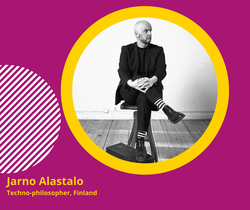
Jarno Alastalo is a Finnish "Techno-philosopher," author, and architect of digital communities. He specializes in the intersection of technology and humanity, helping organizations navigate the ethical dimensions of the digital age. He is the author of 80 Perspectives on AI – A Guide to Youth Work and his latest book Musta laatikko (2026) (Black Box), which explores how invisible algorithms shape human emotions, choices, and communities.
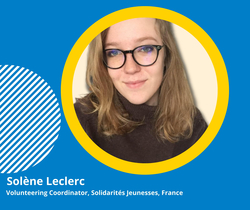
Solène Leclerc (she/her) has been working for SJ as the European Projects Coordinator for two years. Solidarités Jeunesses (SJ) is a non-formal education Movement based in France that promotes the construction of peace. Through International Voluntary Service projects, they create bridges between people from various social, generational and cultural backgrounds to build a fairer and more equal world. Solène coordinates large-scale cooperation projects with partners aiming at improving youth work in Europe through innovative methodologies. Current projects coordinated by SJ focus on inclusion, gender-based violence prevention, decolonization of voluteering, and media literacy.