- EuroMed Training Opportunities
- EuroMed Educational publications
- Engagement of Women in Politics & Entrepreneurship
- Trainer's competencies within EuroMediterranean Youth Work
- Practical Guides
- Studies and Research
- TOTEM: Training of Trainers in EuroMed: skills and competences for training in EuroMed
- Youth Work in
- EuroMed Reports Collection
- Youth policies
- Magazine Meet'in EuroMed
- SALTO EuroMed Educational Tools
- ESC South-Med
- EVS Resources and background material
- About SALTO-YOUTH EuroMed
Youth Policies in Mediterranean Partner Countries
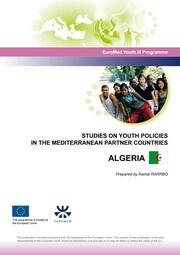
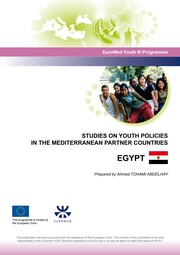
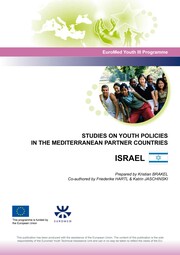
Studies on youth policies in the Mediterranean partner countries
The set objectives given by the RCBS for these studies were to:
- Identify the remit of existing youth policies, legal regulations and youth structures in the concerned Mediterranean partner countries and explore to what extent the national youth strategies addressed the various needs of young people
- Understand the role and work of youth NGOs, and of other relevant actors.
Six main themes were proposed for research:
- Youth policy and legislation
- Young people's rights as citizens (to what extent the existing policy and legislations addressed the various needs and entitlements of the young people)
- Challenges faced by young people
- Role and impact of non-formal education (if any)
- Place of the EuroMed Youth Programme within the national youth policy
- Other youth support mechanisms
And each study is based on the following structure, devised on basis of the main themes of the studies:
- Methodology implemented and challenges faced during the study
- Situation of Youth (Definition of youth; general statistics on age brackets; young people's rights and conditions; Youth culture and trends; young people's needs and challenges)
- Structural and institutional aspects of youth policy and legislation (provisions; institutional approach to the youth sector; non-formal education and youth work)
- Youth associations and NGOs
- EuroMed Youth Programme (its place within the national youth policy
- Other youth support mechanisms (such as international donors)
- Perceptions of the relevant actors (of national authorities; youth leaders; young people)
- Conclusive remarks
 |
|  |
|  |
|  |
|  |
|  |
|  |
|  |
|  |
|  |
| 
French version
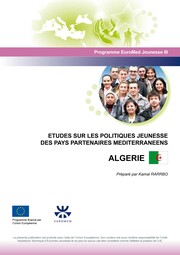
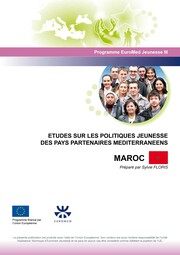
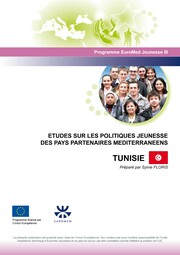
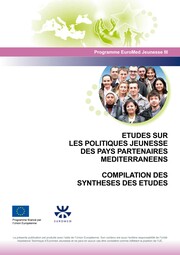
Youth Policies were translated in french for Algeria, Morocco and Tunisia because French is usually use in these countries. Also, the executive summary is available in french too and because it brings an overview of the Youth policies in each Mediterranean partner country.
 |
|  |
|  |
| 
Edited in June 2009.
Downloads
The following downloads are available:
- Youth Policies Israel
- Youth Policies Egypt
- Youth Policies Algeria
- Youth Policies Jordan
- Youth Policies Lebanon
- Youth Policies Morocco
- Youth Policies Palestinian Territories
- Youth Policies Syria
- Youth Policies Tunisia
- Youth Policies Turkey
- Etudes Poltiques Jeunesse ALGERIE
- Etudes Politiques Jeunesse MAROC
- Etudes Politiques Jeunesse Tunisie
- Etudes Politiques Jeunesse compil