Toolbox — For Training and Youth Work
All new tools in your inbox: Be the first to know about new tools for learning with our e-mail notifications.
Manual
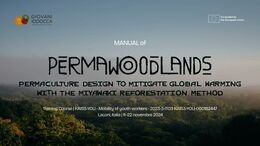
Manual of PermaWoodlands TC - Permaculture design to mitigate global warming with the Miyawaki reforestation method
A practical tool that guides youth workers in designing, facilitating, and evaluating environmental education activities, combining non-formal learning methods, permaculture principles, and reforestation practices.
Aims of the tool
The tool aims to support youth workers in designing and delivering environmental education activities; to link learning with permaculture and reforestation practices; to foster ecological awareness; and to empower young people to take local action.
Description of the tool
This tool is a comprehensive resource designed to help youth workers plan, facilitate, and evaluate environmental education activities rooted in non-formal learning. Developed from the practices tested during the PermaWoodlands training course, it combines experiential methods, creative reflection, community engagement, permaculture principles, and Miyawaki reforestation techniques.
The tool provides step-by-step activity descriptions, methodological guidance, and adaptable formats that youth workers can apply in schools, youth groups, outdoor settings, and community projects. It supports the creation of learning environments where young people can explore nature, climate awareness, teamwork, ecological responsibility, and active citizenship through meaningful experiences.
By integrating nature-based practices with structured reflection and hands-on learning, the tool helps participants connect personal growth with ecological understanding, promoting both individual empowerment and collective environmental action.
Learning Outcomes
Through using this tool, learners will be able to:
Knowledge
- Understand basic concepts of permaculture and ecological design.
- Gain awareness of climate issues, environmental regeneration, and ecosystem dynamics.
- Learn sustainable practices such as seed ball making, nursery care, and Miyawaki planting.
Skills
- Apply non-formal learning methods in outdoor and environmental contexts.
- Collaborate effectively in teams during practical ecological tasks.
- Facilitate or participate in reflective practices that connect experience with learning.
- Design and implement small-scale environmental or community activities.
Attitudes & Competences
- Develop environmental responsibility and a sense of stewardship for local ecosystems.
- Foster creativity, problem-solving, and initiative-taking in ecological actions.
- Strengthen intercultural communication and community engagement.
- Build confidence in turning learning into tangible follow-up actions at local level.
Available downloads:
Disclaimer
SALTO cannot be held responsible for the inappropriate use of these training tools. Always adapt training tools to your aims, context, target group and to your own skills! These tools have been used in a variety of formats and situations. Please notify SALTO should you know about the origin of or copyright on this tool.
Tool overview
http://toolbox.salto-youth.net/5320
This tool is for
Youth Worker
and addresses
Environment
It is recommended for use in:
Training and Networking
Behind the tool
The tool was created by
Annalisa Zaccaria by Giovani Iddocca
The tool was published to the Toolbox by
Annalisa Zaccaria (on 15 December 2025)
and last modified
11 December 2025
Comments
No comments have been posted yet.
If you want to comment on this tool, you need to be signed in with your MySALTO account. Sign in now